



Hip dysplasia is a common orthopedic condition greatly affecting many dogs, particularly larger breeds. This genetic disorder occurs when the hip joint doesn’t fit properly into the hip socket, seriously leading to arthritis, pain, and mobility issues. In Portland, Oregon, dog owners have access to various therapy options to help manage this condition, improving their furry friend’s quality of life.
In this article, we will explore the different therapies available for dogs with hip dysplasia, emphasising the benefits of seeking professional treatment in the vibrant city of Portland. For more information about the CaninePTandMe therapy for dogs with hip dysplasia, click here.
Understanding Hip Dysplasia
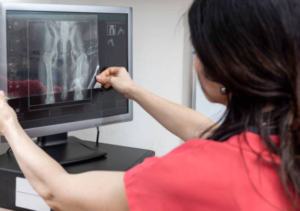 Before delving into therapy options, it’s essential to understand hip dysplasia’s symptoms and implications. Dogs with hip dysplasia may exhibit signs such as:
- Difficulty rising or climbing stairs
- Reduced activity or reluctance to exercise
- Limping or favouring one hind leg
- Decreased range of motion in the hip joint
These symptoms can seriously lead to chronic pain and affect a dog’s overall well-being. If you suspect your dog has hip dysplasia, consulting a veterinarian is remarkably crucial for diagnosing and treating it.
The Importance of Therapy for Dogs with Hip Dysplasia
Therapy for dogs with hip dysplasia is vital for managing pain, improving mobility, and enhancing the overall quality of life. While surgical options, such as total hip replacement, are available, many dog owners significantly prefer to explore conservative therapies first, especially for older dogs or those with underlying health conditions. Therapy can often help effectively reduce the severity of symptoms and delay the progression of the disease.
Available Therapy Options in Portland, Oregon
In Portland, several therapy options cater to dogs with hip dysplasia. Here are some popular treatments you can consider:
Physical Therapy
Physical therapy is a cornerstone of rehabilitation for dogs with hip dysplasia. It focuses on strengthening the muscles around the hip joint, improving range of motion, and increasing flexibility. Licensed canine physical therapists use various techniques, including:
- Therapeutic exercises: Tailored exercises to strengthen the muscles and improve joint function.
- Massage therapy: Helps effectively reduce muscle tension and promote circulation.
- Hydrotherapy: Utilising water resistance to facilitate low-impact exercise, which is highly beneficial for dogs with joint pain.
Many clinics in Portland, led by experienced professionals, offer specialised physical therapy programs for dogs.
Acupuncture
Acupuncture is an effective alternative therapy that involves inserting fine needles into specific points on the body to promote healing and relieve pain. Studies have clearly shown that acupuncture can significantly alleviate pain associated with hip dysplasia and significantly improve mobility. In Portland, numerous veterinary acupuncturists can provide this holistic treatment, often in conjunction with other therapies.
Laser Therapy
Laser therapy uses focused light to stimulate healing and reduce inflammation. This non-invasive treatment can be especially effective for dogs with hip dysplasia, as it helps alleviate pain and promote tissue repair. Many veterinary clinics in Portland are equipped with advanced laser therapy technology, making it a convenient option for pet owners.
Weight Management and Nutrition
Maintaining a healthy weight is remarkably crucial for dogs with hip dysplasia, as excess weight can exacerbate joint pain. In Portland, several veterinary nutritionists specialise in creating tailored diet plans to help manage your dog’s weight effectively. Proper nutrition, combined with therapy, can significantly enhance your dog’s overall health and mobility.
Orthopedic Devices
In addition to therapy, orthopedic devices like braces or harnesses can significantly provide additional support for dogs with hip dysplasia. These devices help stabilise the hip joint and reduce strain during movement. Many pet supply stores in Portland offer a variety of orthopedic products designed specifically for dogs.
Conclusion:
If your dog suffers from hip dysplasia, exploring various therapy options in Portland, Oregon, is a proactive step towards enhancing their comfort and mobility. With the help of physical therapy, acupuncture, laser therapy, weight management, and orthopedic devices, you can provide your furry friend with the support they need. By focusing on therapy for dogs with hip dysplasia, you can ensure a happier, healthier life for your canine companion. Don’t hesitate to consult with a veterinary professional to determine the best course of action for your dog’s unique situation.